


Car insurance in the U.S. used to be pretty simple. Companies looked at your age, where you live, and your driving record, then set your rate. Those things still matter, but now, technology is shaking things up. Usage-based auto insurance is an entirely new way of pricing insurance compared to how you’re typically charged. Your rate with a usage-based policy depends on your actual driving habits.
Understanding how usage-based insurance works will allow you to choose better coverage and could save you money on your policy.
Usage-based auto insurance, or UBI, shifts the focus from just broad stats to how you actually drive. Insurers don’t just guess—you give them data.
The whole thing runs on telematics. Either your car or your phone tracks stuff like how far you drive, how fast you go, how hard you brake, and even what time you’re on the road. Insurers use this info to see if you’re a safe driver.
For a lot of people, this feels fairer. If you’re careful behind the wheel, you’re more likely to get a break on your premium.
Recommended Blog: Find Out How AI Is Speeding Up Insurance Claim Approvals
Telematics is at the heart of usage-based insurance. Small devices or apps keep tabs on your driving and send all that info back to the insurance company.
They look at your patterns: How much do you drive? Do you slam on the brakes a lot? Are you out late at night when accidents are more common? With this data, insurers get a much clearer picture of your risk and set your price to match.
Most drivers can check their own driving score in an app and see tips for safer habits. It’s a bit like having a coach—sometimes annoying, but it can save you money if you play along.
Usage-based insurance isn’t just one thing. There are a few kinds.
Both types let insurers set prices that actually match how risky you are—not just how old you are or your zip code.
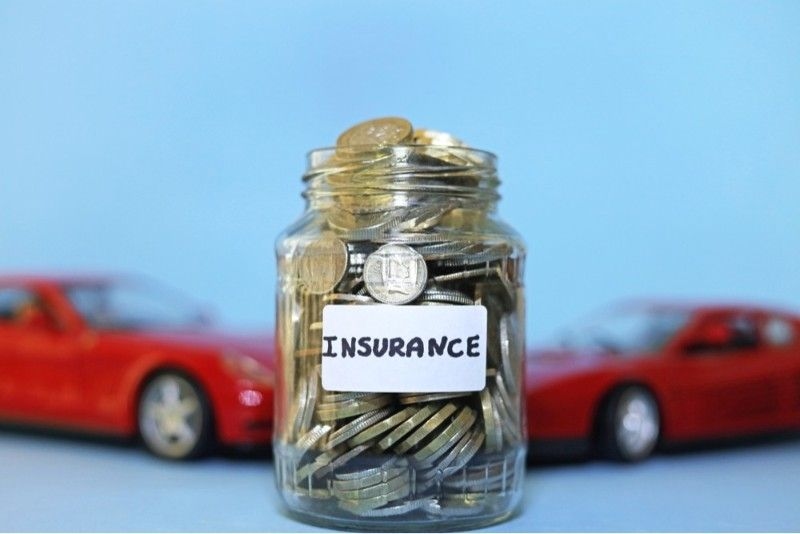
One big reason people try usage-based insurance is for the discounts. If you drive safely, you can end up paying less than with a regular plan. Telematics programs reward you for things like steady driving, avoiding sudden stops, and keeping your speed in check. If you don’t drive much, pay-as-you-drive plans can also bring your premium down.
That’s a pretty sweet deal for folks who don’t use their cars much or are just naturally cautious drivers.
Insurance companies are diving into usage-based plans because they give them a way to judge risk that actually fits the person, not just the group. Instead of lumping you in with everyone your age or in your neighborhood, they can see if you’re a careful driver and price your policy accordingly.
Plus, when drivers know they’re being tracked, they tend to drive better. Fewer accidents, fewer claims—that’s a win for the insurance company. With all these perks, telematics-based insurance is popping up all over the place in the U.S., and it’s not slowing down anytime soon.
Usage-based car insurance really shakes things up for drivers. The biggest perk? Your premiums aren’t just based on your age or where you live anymore. Now, it’s your actual driving that counts. If you’re a careful driver, your wallet finally gets some credit.
It also nudges people to drive more safely. Once drivers realize someone’s keeping an eye on their habits, a lot of them start paying more attention behind the wheel. That means fewer accidents and safer roads for everyone.
And let’s talk about saving money. If you drive well, you can land some pretty decent discounts. For plenty of people, that’s a real reason to give these programs a shot.
Read Further: Everything About AI Insurance Claims Automation Systems
Of course, usage-based insurance isn’t perfect. Some drivers worry about privacy, and honestly, it’s a fair question. Smart car insurance tracking collects your driving—when, where, and how you drive—so it’s natural to wonder who sees that information and what they do with it.
There’s another catch: risky drivers don’t get off easy. If you speed a lot or brake hard, you probably won’t see discounts. In fact, you might end up paying more.
But here’s the thing—lots of people still sign up, because the savings can be worth it.
Not everyone gets the same deal out of usage-based insurance. The biggest winners are usually people who don’t drive much. If you only use your car occasionally, or you’re retired or working from home, you’ll probably see the best rates.
Careful drivers also do well. If you keep things steady behind the wheel, you could pay less than someone who’s always in a rush. The point is, with these programs, your rate matches how you drive—simple as that.
Want to save more? It comes down to your habits. Stick to steady speeds, go easy on the brakes, and skip unnecessary trips. Most telematics apps let you check your driving score, so you can see exactly what’s helping or hurting your rate.
Small changes can add up. If you want those discounts, just keep an eye on how you drive.
Usage-based insurance isn’t going anywhere. Cars keep getting smarter, and telematics technology gets better every year. Insurers will be able to offer even more personalized pricing, maybe even updating your premium as your driving changes.
All signs point to usage-based policies becoming a much bigger part of the auto insurance world.
Drivers are starting to pay attention to usage-based auto insurance because it gives them a say in what they pay. If you’re a careful driver, you don’t have to stick with a flat rate—you get rewarded for good habits with options like pay-as-you-drive insurance.
Thanks to telematics, people see the real perks of these new UBI policies. They’re finding out it’s not just about saving money but about having insurance that actually fits how they drive.
Don't Miss This: Small Daily Savings Challenges That Grow Money Over the Year
Usage-based auto insurance is changing the rules. Instead of guessing how risky you are, insurers can actually see how you drive. That means safer drivers get rewarded, and everyone has more control over what they pay.
Programs like pay-as-you-drive don’t just help people save—they push folks to be more responsible on the road. Add in a few smart driving habits, and you can really take charge of your insurance costs. With technology moving fast, expect to see more drivers making the switch to usage-based insurance.
It’s a policy where your premium depends on your actual driving—things like mileage, speed, and braking.
Insurers use smartphone apps or in-car devices to keep tabs on your driving. The data goes straight to them.
It’s a type of usage-based insurance where your rate mostly depends on how many miles you drive.
You get pricing that matches your driving, a shot at discounts, and feedback to help you drive more safely.
This content was created by AI